Makeup speaks volumes without saying a word. Every product we apply, every color we choose, carries a message about how we want the world to see us. But it’s not just about covering up; makeup is a powerful tool for deciding what parts of ourselves we want to highlight and what we’d rather keep hidden.
From the daily routine of concealing blemishes to the bold moves of choosing a bold lip color, makeup is a form of personal expression. It’s a quiet, yet impactful way we navigate social expectations, self-image, and even our mood. And while it’s easy to think of makeup as just a beauty trend, it goes deeper, revealing how personal and cultural influences shape our choices.
How Does Everyday Makeup Reflect Social and Cultural Expectations?
From subtle lip tints to concealer under tired eyes, the daily act of applying makeup is deeply embedded in social conditioning. Though often described as “personal choice,” the desire to wear makeup, especially among women, is rarely free from cultural influence. According to research published by the Association for Psychological Science, cosmetic use can significantly influence how others perceive a person’s likability, competence, and even their level of trustworthiness.
Makeup expectations vary by age, gender, region, and community, but they all carry one core message: how you present your face tells the world how you value yourself and how much you respect others’ time and attention.
Ways everyday makeup reflects social and cultural norms:
- “Put-together” equals professionalism: In many cultures, particularly Western ones, a polished face is equated with being competent, organized, and employable.
- Minimalism vs. glamour as class signals: Subtle, “no-makeup” makeup is often associated with wealth and privilege, while bold makeup can be unfairly judged.
- Gendered expectations: Makeup is still largely expected of women in many environments.
- Age-related pressure: Younger people are praised for natural looks, while older individuals may feel pressure to conceal aging.
- Cultural beauty standards: Many makeup trends reflect global ideals rooted in Eurocentric aesthetics.
These pressures are rarely overt, but they’re always present. The decision to apply mascara or dab on concealer isn’t just about appearance; it’s a quiet compliance with society’s spoken and unspoken rules.
What Role Does Subtle Makeup Play in Professional Environments?
In professional settings, appearance is currency. And for many, everyday makeup is part of the unofficial dress code. While no HR handbook will explicitly demand foundation or eyeliner, the implicit expectation is clear: show up “presentably.” For most people, especially women, that means a face that looks alert, even-toned, and polished.
Subtle makeup becomes a tool for blending in, signaling ambition, and even managing perceptions.
The functions of everyday makeup at work:
- Neutralizing fatigue: Concealer and blush help mask stress or exhaustion.
- Creating visual consistency: Like a uniform, subtle makeup projects reliability.
- Shielding emotion: A polished face can soften visible stress or vulnerability.
- Enhancing credibility: Studies show makeup can improve perceived competence and trustworthiness.
- Mitigating gender bias: Women often face judgment whether they wear too little or too much makeup.
For those navigating these expectations, learning more about makeup as a form of identity and digital influence can provide deeper insight into how appearance shapes perception.
How Does Makeup Influence Perceptions of Identity and Authenticity?
We often describe makeup as a “form of self-expression,” but society isn’t always comfortable with that expression unless it fits a narrow range of acceptability. As a result, makeup walks a line between being personal and performative.
Makeup and its impact on perceived identity:
- Minimal makeup = natural beauty or lack of effort?
- Bold makeup = self-expression or attention-seeking?
- Ethnic identity and beauty norms: Makeup can be a form of cultural reclamation.
- Gender expression through cosmetics: Especially important for trans and nonbinary individuals.
Makeup doesn’t lie, but it doesn’t tell the whole truth either. What it reveals often depends on the viewer’s perspective.
Why Are Certain Beauty Choices Seen as More Acceptable Than Others?
If makeup is just “personal preference,” then why is it so heavily judged? Society often rewards conformity and critiques deviation.
The politics of “acceptable” makeup:
- Subtlety is rewarded: Natural-looking makeup is often praised as elegant.
- Loud looks are policed: Bold styles are labeled excessive or unprofessional.
- Trends are selective: What’s fashionable on one person may be criticized on another.
- Makeup-free faces are idealized: But often only within narrow beauty standards.
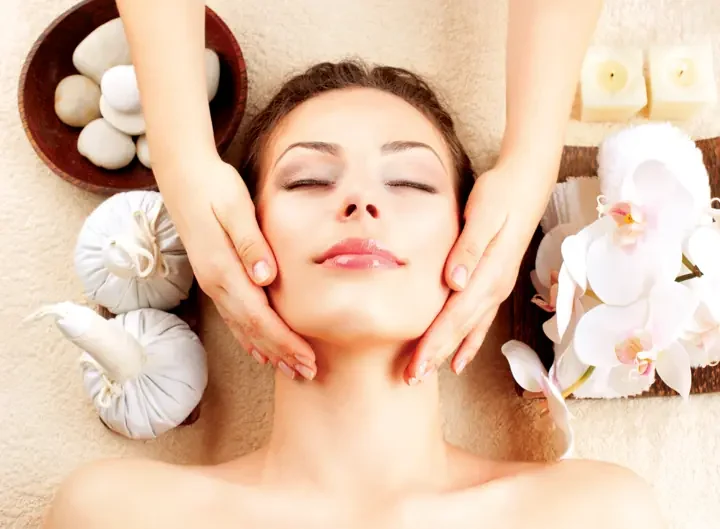
These double standards show that makeup is not just cosmetic, it’s cultural. Exploring personalized treatments like professional facial services can help individuals embrace beauty on their own terms.
Every Face Is a Statement
We may not talk about it openly, but every face in the mirror carries a silent message shaped by social codes, cultural expectations, and personal identity. The makeup we wear each day (or don’t) is never just about aesthetics.
It’s a subtle language. It tells the world who we are or who we feel we need to be.
If you’re curious about how skincare and self-care connect to this deeper experience, exploring topics like facials and the mind-body connection can offer a new perspective.
Explore Makeup on Your Terms, Not Society’s
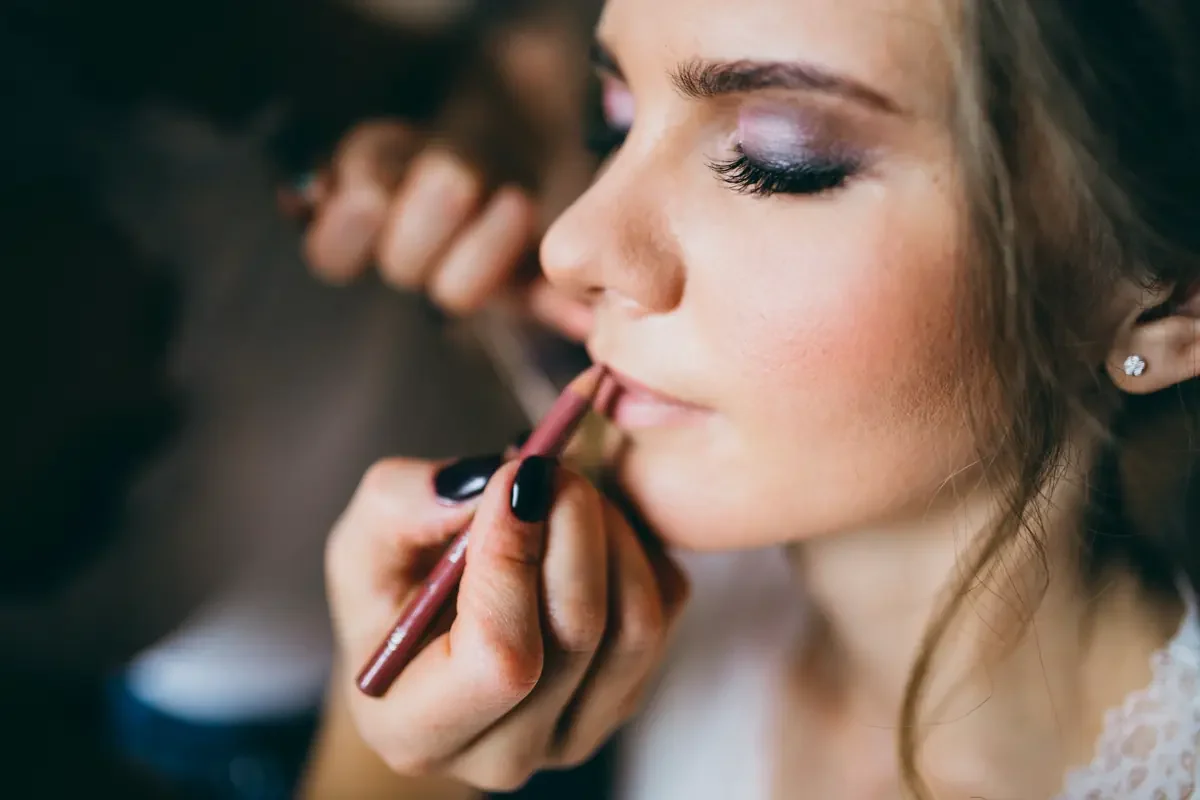
At Pure Escape Resort, we believe makeup should be a tool for expression, not a test to pass. Whether you’re redefining beauty on your terms or simply enhancing your natural glow, our professional makeup application services are designed to support your vision.
For an even smoother, radiant base, pairing your look with treatments like dermaplaning facials can elevate your results.
Book your appointment today and let your face say exactly what you want it to.