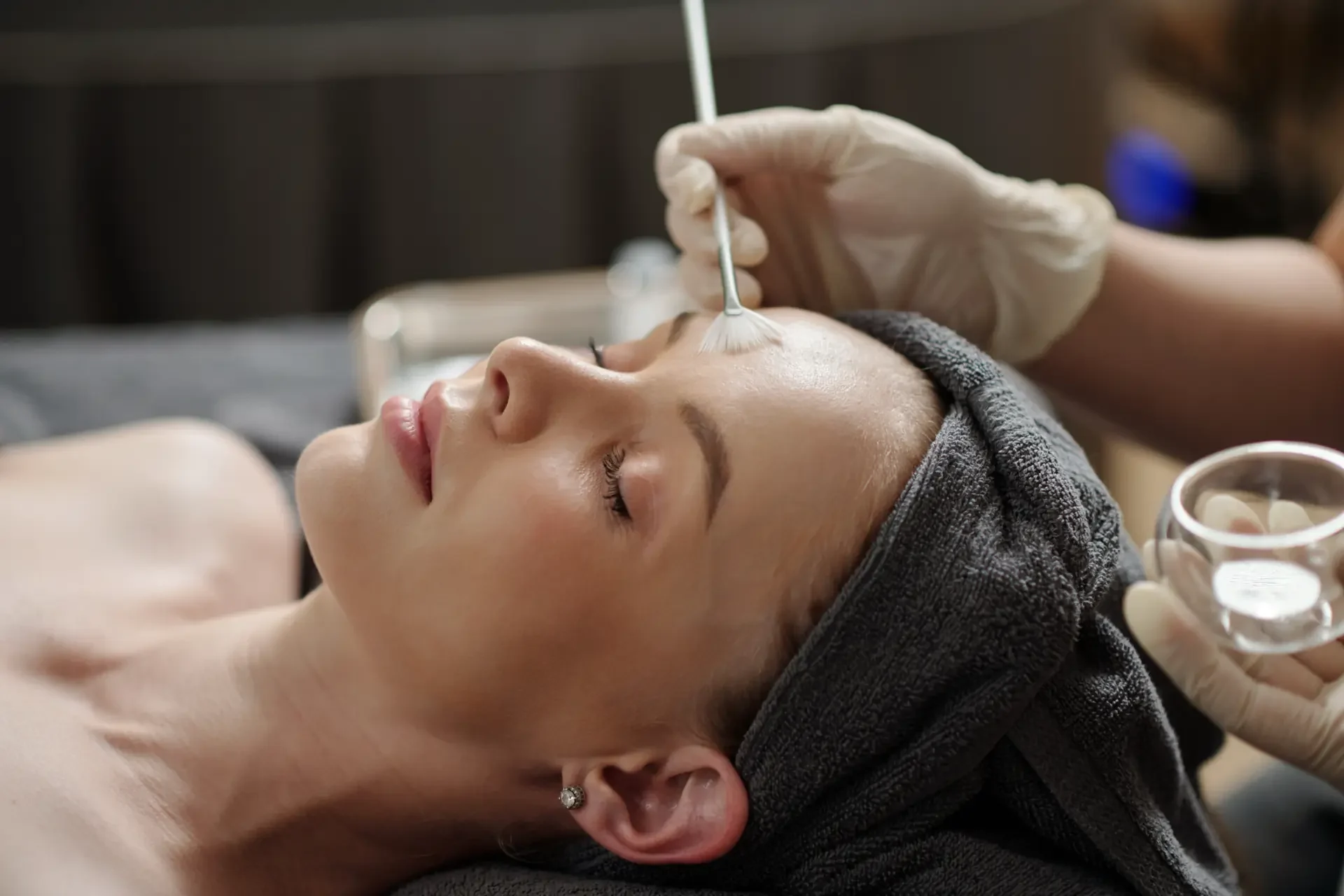
After a chemical peel, avoid picking or peeling skin, harsh skincare ingredients, excessive sun exposure, heat, heavy sweating, and anything that irritates the treated area. You should also delay makeup, exfoliation, and active products until your provider says your skin is ready.
Good Chemical Peel Aftercare protects the weakened skin barrier while new skin forms underneath. The exact restrictions depend on the peel depth and your skin’s response. A superficial peel may settle within several days, while medium and deep peels require longer, careful healing and medical follow-up afterward.
How Many Days After A Chemical Peel Can I Wash My Face?
Many people can gently cleanse their face after a superficial peel as directed by their treatment professional. However, there is no single washing schedule for every peel.
The depth of the peel, ingredients used, skin sensitivity, and post-treatment instructions all affect when and how cleansing should begin.
Follow the Instructions for Your Specific Peel
A superficial peel usually causes less disruption than a medium or deep peel. The American Academy of Dermatology notes that superficial peels commonly heal within one to seven days, while medium and deep peels require longer healing and more involved aftercare.
For deeper treatments, your provider may prescribe specific cleansing, soaking, ointment, or dressing instructions. Those directions take priority over general skincare advice.
Keep Cleansing Gentle
Once cleansing is allowed, use lukewarm water and a mild cleanser that does not contain exfoliating acids, scrubbing particles, fragrance, or other potentially irritating ingredients.
Use clean fingertips rather than washcloths, cleansing brushes, or textured pads. Pat the skin dry instead of rubbing.
Hot water can irritate recently treated skin. Long showers, steam, and aggressive rubbing can also increase discomfort.
Do Not Scrub Away Flaking Skin
Flaking is part of the normal healing process after many Chemical Peels. Washing should remove ordinary surface debris without forcing loose skin away.
If the face feels tight or flaky, resist the urge to scrub. Gentle cleansing and appropriate moisturizer are usually safer than trying to speed up peeling manually.
Can I Wear Makeup After Getting A Chemical Peel?
Makeup timing depends strongly on peel depth. Some superficial peels allow makeup immediately or the next day, while medium and deep peels require a longer waiting period.
The American Academy of Dermatology states that makeup may sometimes be used immediately after a refreshing peel, while camouflage makeup may be delayed five to seven days after a medium peel and at least fourteen days after a deep peel.
Why Makeup May Need to Wait
Freshly treated skin can be red, tender, dry, swollen, or peeling. Applying cosmetics too soon can add friction and make removal more irritating.
Makeup tools can also introduce bacteria if brushes or sponges are not clean.
For medium or deep peels, applying cosmetics before the skin has healed can increase the risk of complications. AAD guidance specifically warns that applying makeup before healing can contribute to infection or scarring risk.
Restart Makeup Conservatively
When your provider clears makeup, choose products that feel gentle on the skin. Apply them lightly instead of rubbing or buffing them into peeling areas.
Use clean brushes, sponges, and hands. Remove makeup gently at the end of the day with the cleanser recommended for your recovery period.
If makeup stings, burns, or significantly increases redness, wash it off gently and give the skin more time.
What Skincare Ingredients Should You Stop Using After A Chemical Peel?
Avoid ingredients that exfoliate, accelerate cell turnover, or commonly irritate sensitive skin until your provider says they can be restarted.
The treated skin barrier needs time to recover. Adding strong actives too early can intensify burning, dryness, redness, and peeling.
Pause Retinoids and Exfoliating Acids
Retinol, prescription retinoids, glycolic acid, lactic acid, salicylic acid, mandelic acid, and other exfoliating acids are commonly paused during early Chemical Peel Recovery.
Do not assume that a familiar product is safe simply because your skin tolerated it before the peel. Recently treated skin can react very differently.
Avoid Scrubs and At-Home Peels
Physical scrubs, exfoliating brushes, enzyme treatments, peeling gels, and additional at-home peel products should also stay out of the routine until the skin has recovered.
Trying to accelerate flaking can damage skin that is not ready to detach naturally.
Be Careful With Other Strong Actives
Some people may also need to pause benzoyl peroxide, strong vitamin C products, acne treatments, fragranced products, or other potentially irritating formulas.
Which products should stop and when they can restart depends on the peel and your regimen.
Keep the routine simple. A gentle cleanser, provider-approved moisturizer, and appropriate sun protection are often the core products during early recovery.
When restarting active ingredients, introduce them according to professional guidance rather than adding everything back at once. Skin should feel calm before actives return. If a product causes persistent burning or redness, stop using it and contact your treatment provider.
Is It Safe To Work Out Or Sweat After A Chemical Peel?
It is usually wise to avoid strenuous exercise, heavy sweating, saunas, steam rooms, and other sources of excessive heat during the early healing period. Your provider should give you the timeline for your peel.
Sweat contains salt and can sting compromised skin. Heat also increases blood flow to the face, which may make redness, warmth, or swelling more noticeable.
Give the Skin a Calm Recovery Period
After a light peel, the exercise restriction may be relatively short. Medium or deep treatments can require substantially more downtime and individualized medical instructions.
Do not judge readiness only by whether visible peeling has started. Skin can remain sensitive before, during, and after obvious flaking.
Watch for Heat From Other Sources
Exercise is not the only source of excess heat. Hot yoga, hot tubs, saunas, steam treatments, and very hot showers can also make recently peeled skin uncomfortable.
Outdoor workouts add another concern because they can combine sweating with direct ultraviolet exposure.
When exercise is resumed, start conservatively. Keep the face clean, avoid rubbing sweat away with a rough towel, and gently cleanse afterward if your provider has cleared normal washing.
If activity causes significant burning, flushing, swelling, or persistent discomfort, stop and allow more recovery time.
What Happens If You Accidentally Pick Peeling Skin After A Chemical Peel?
Picking peeling skin can remove tissue before it is ready to shed. That can leave the area raw, irritated, or more vulnerable to infection, discoloration, and scarring.
Let peeling skin detach naturally.
Do Not Try to Make Peeling More Even
Chemical peeling rarely happens in perfectly even sheets. One area may flake first.
Pulling at an attached edge can remove skin that is still healing underneath. Scissors, tweezers, facial razors, scrubs, and exfoliating tools should not be used to trim or remove peeling areas unless your medical provider has specifically instructed otherwise.
AAD guidance warns against scratching treated skin or picking scabs because these behaviors can increase infection and scarring risk.
What to Do If You Already Picked
Do not continue pulling at the area. Keep your hands away and follow the cleansing and moisturizing instructions you were given.
If the spot becomes increasingly painful, swollen, warm, crusted, draining, blistered, or unusually red, contact your dermatologist or treatment professional. Those changes require individual assessment rather than additional home exfoliation.
Avoid trying to disguise an irritated open area with heavy makeup unless your provider says it is safe.
How Long Should You Stay Out Of The Sun After A Chemical Peel?
Sun protection is essential after every peel, but strict avoidance depends on peel depth and healing.
Newly treated skin is more vulnerable to ultraviolet exposure. Too much sun can worsen irritation and contribute to unwanted pigment changes.
Deeper Peels Require Longer Avoidance
AAD guidance recommends total sun avoidance while a medium peel heals. For deep peels, total sun avoidance may be required for three to six months.
Superficial peels still require careful sun protection, even when downtime is short.
Your provider’s instructions should determine when outdoor activity can resume.
Protect the Skin After Healing Too
Once the skin has healed enough for sunscreen, use the broad-spectrum sunscreen recommended by your provider and reapply as directed.
A hat and shade can provide additional physical protection. Avoid tanning beds completely during recovery.
Sun protection should continue after visible flaking stops. A chemical peel does not make future ultraviolet exposure harmless, and protecting the skin helps maintain the cosmetic result.
If you must be outside during recovery, ask your provider what combination of sunscreen, hat, shade, and timing is appropriate for your peel depth.
Can I Apply Moisturizer Right After A Chemical Peel?
Moisturizer is commonly part of post-peel care, but use the product and timing recommended by the professional who performed your treatment.
AAD guidance notes that lotion or cream is used during healing after superficial and medium peels, while deeper peels can involve prescribed ointments followed later by thicker moisturizer.
Moisture Supports the Healing Barrier
Recently peeled skin often feels tight, dry, or sensitive. A simple moisturizer can help keep the surface comfortable and reduce excessive dryness.
AAD guidance also notes that keeping treated skin moisturized can help prevent drying and cracking.
Choose Simplicity Over an Active Formula
Post-peel moisturizer should generally be bland and non-exfoliating. This is not the time for a moisturizer packed with retinol, acids, strong fragrance, or multiple aggressive active ingredients.
Use what your treatment provider recommends. Some deeper peels require specific ointments or dressings rather than an ordinary cosmetic moisturizer.
Apply the product gently with clean hands. Do not massage aggressively or try to rub away flakes.
Know When a Reaction Needs Attention
Mild tightness or temporary sensitivity can occur during recovery. Increasing pain, marked swelling, intense itching, blistering, drainage, or worsening redness deserves professional advice.
AAD advises contacting a dermatologist if treated skin burns, itches, or swells.
Follow your specific aftercare plan because peel strength, skin condition, and healing response vary.
Final Thoughts
After a chemical peel, the priority is protecting healing skin from irritation, heat, friction, picking, strong skincare ingredients, and ultraviolet exposure. Washing, makeup, exercise, moisturizer, and active products should be resumed according to the peel depth and instructions from your treatment professional. Superficial peels usually recover faster, while medium and deep treatments require greater caution and longer downtime. Do not force peeling skin away or try to accelerate recovery. A simple routine, careful sun protection, clean hands, and appropriate moisturizer can support smoother healing and reduce avoidable complications during recovery.
Give Your Skin the Time It Needs to Recover
The days after a chemical peel are just as important as the treatment itself. Skin may look dry, red, flaky, or temporarily uneven while the surface renews, and trying to speed that process can create unnecessary irritation.
At Pure Escape Resort, we encourage clients to follow the aftercare instructions provided for their specific treatment and to keep their skincare routine gentle while the skin recovers.
If you are considering a chemical peel, ask about expected downtime before treatment so you can plan around exercise, makeup, sun exposure, and your normal skincare routine.
Good aftercare does not need to be complicated. It needs to match the type of peel you received and the way your skin is healing. If something feels unusual or more intense than expected, contact the professional who performed your treatment rather than adding new products or attempting to correct the reaction at home.