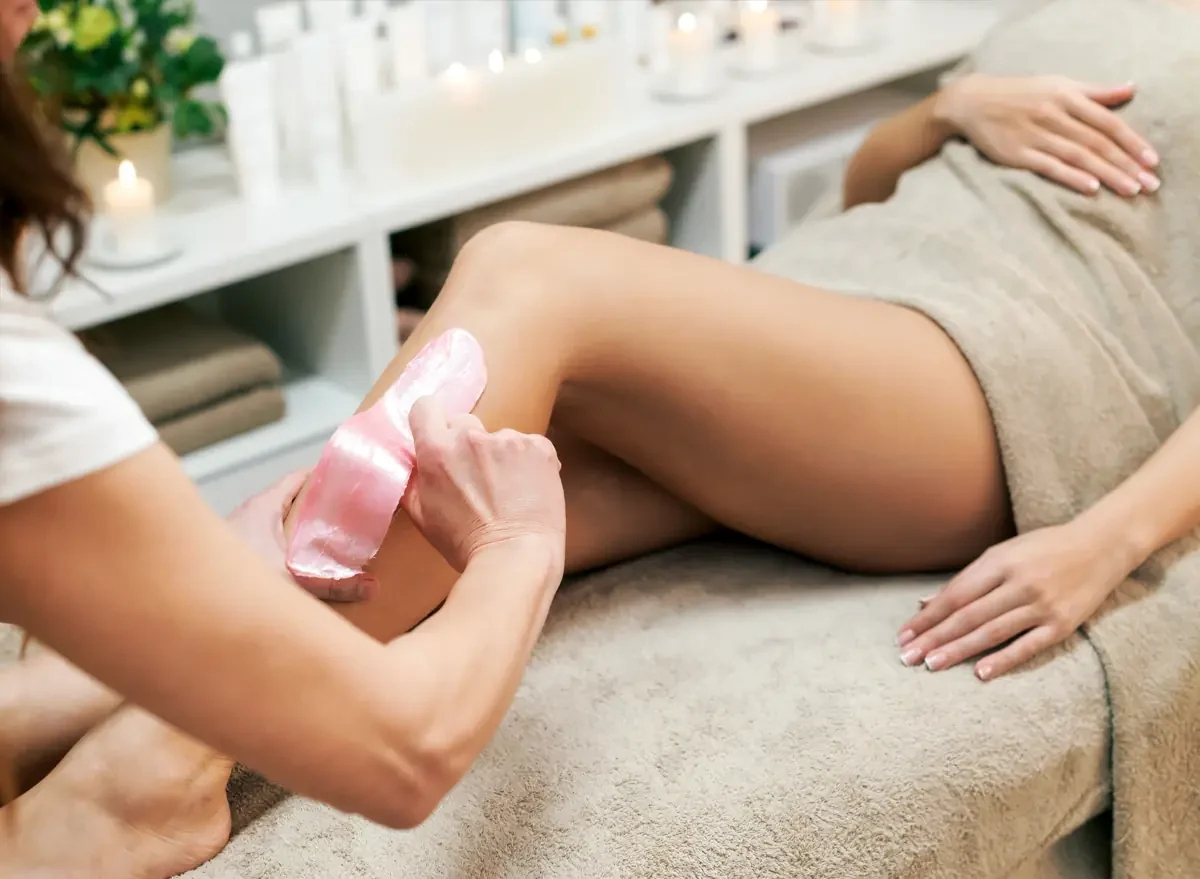
Waxing removes hair from the root, while shaving cuts hair at the skin’s surface. This difference affects how quickly hair returns, how often maintenance is needed, and the time involved in your routine. The better choice depends on your skin sensitivity, budget, personal preferences, and the area being treated.
When comparing waxing vs shaving, neither method is automatically better for everyone. Waxing generally provides longer-lasting smoothness, while shaving offers flexibility without scheduling appointments. Both can cause irritation or ingrown hairs, so understanding the practical differences can help you select an approach that fits your lifestyle.
How Waxing and Shaving Remove Hair
Waxing and shaving both remove unwanted hair temporarily, but they work in different ways.
Understanding how each method affects the hair helps explain the differences in regrowth, comfort, and ongoing maintenance.
How Professional Waxing Works
Professional waxing uses a specially formulated wax to grip unwanted hair and remove it from the follicle.
The hair is pulled out rather than cut near the skin’s surface.
Because the hair must grow back from within the follicle, the smooth appearance usually lasts longer than it does after shaving.
At Pure Escape Resort, Inc., we use soft wax for our professional body waxing services in Rock Hill, SC.
Our estheticians consider the treatment area and individual skin concerns when discussing available waxing services.
However, professional application does not eliminate every possibility of irritation, discomfort, or ingrown hairs.
How Shaving Works
Shaving uses a razor or electric shaving device to cut hair at or near the skin’s surface.
The hair follicle remains intact, and the existing hair continues growing.
Because shaving does not remove hair from the root, visible or noticeable regrowth may return relatively quickly.
The American Academy of Dermatology (AAD) explains that shaving can be performed at home but requires appropriate technique to reduce irritation.
Using a sharp blade, moisturizing shaving product, and gentle pressure can help reduce the risk of razor bumps.
Does Shaving Make Hair Grow Back Thicker?
No. Shaving does not change the thickness, color, or growth rate of hair.
Freshly cut hairs may feel rougher because their ends are blunt rather than naturally tapered.
This can make regrowth feel more noticeable.
Waxing may produce softer-feeling regrowth for some people, but results vary with individual hair characteristics.
Neither method permanently prevents new hair growth.
Comparing Regrowth and Ongoing Upkeep
One of the most important differences between waxing and shaving is how frequently you need to repeat the process.
A method that requires less frequent hair removal may be more convenient for one person, while another may prefer the freedom of shaving whenever necessary.
How Long Does Shaving Last?
According to Cleveland Clinic, shaving results commonly last approximately one to three days before regrowth becomes noticeable.
However, hair growth varies between individuals and body areas.
Someone who shaves their legs may notice stubble at a different rate than someone shaving their underarms.
The desired level of smoothness also matters.
Some people are comfortable allowing several days of regrowth, while others prefer more frequent shaving.
How Long Does Waxing Last?
Waxing generally provides smoother skin for several weeks.
Cleveland Clinic describes approximately three to four weeks as a common period of results following waxing.
Pure Escape Resort’s waxing information explains that results can last longer for some clients, depending on individual hair growth.
However, these are estimates rather than guaranteed timelines.
Hair does not grow in perfect synchronization, so some regrowth may become noticeable before the next appointment.
How Often Should You Schedule Waxing?
Professional waxing appointments are commonly spaced several weeks apart.
The ideal schedule depends on the treatment area, hair growth, and the amount of regrowth needed for effective removal.
Unlike shaving, waxing requires hair to reach a suitable length so the wax can grip it.
Cleveland Clinic identifies approximately one-quarter to one-half inch as a useful general range.
Your esthetician can explain the preparation requirements for your selected service.
Can You Shave Between Waxing Appointments?
You can physically shave between appointments, but doing so may interfere with your planned waxing maintenance schedule.
Shaving cuts regrowing hairs short.
If those hairs are too short when your next waxing appointment arrives, the wax may not grip them effectively.
This can produce uneven removal or require rescheduling.
If you are considering switching from shaving to regular waxing, discuss how much regrowth is needed before your first appointment.
You do not have to commit to waxing permanently, but coordinating the two methods can help you avoid inconvenient timing.
Comfort and Skin-Sensitivity Considerations
Comfort is a major factor when comparing professional waxing with shaving.
Although both methods can remove hair effectively, the sensations and possible skin reactions are different.
Does Waxing Hurt More Than Shaving?
Waxing typically causes a brief pulling sensation because hair is removed from the root.
The level of discomfort depends on the treatment area, hair characteristics, personal pain tolerance, and skin condition.
Sensitive areas may feel more uncomfortable than larger areas such as the legs.
Shaving generally does not involve the same pulling sensation.
However, it can cause small cuts, razor burn, and irritation when performed improperly.
The absence of immediate discomfort during shaving does not guarantee that the skin will remain comfortable afterward.
Which Method Is Better for Sensitive Skin?
Neither method is universally better for sensitive skin.
Some people experience repeated razor irritation and prefer waxing because they do not need to remove hair as frequently.
Others find that waxing creates more redness or tenderness than shaving.
The AAD warns that waxing can irritate the skin and may cause burns if the wax is too hot.
An individual’s history of reactions should be considered before selecting a treatment.
If your skin is easily irritated, tell your esthetician about previous reactions and current skincare products.
Can Both Methods Cause Ingrown Hairs?
Yes.
Ingrown hairs develop when growing hair curls or becomes trapped beneath the skin.
Cleveland Clinic identifies both shaving and waxing as possible contributors.
Ingrown hairs are more common in some areas and among people with coarse or curly hair.
Possible symptoms include small bumps, tenderness, itching, or skin discoloration.
Neither waxing nor shaving guarantees that ingrown hairs will be prevented.
If you repeatedly develop painful bumps or signs of infection, seek advice from a healthcare professional.
For additional information about preventing irritation during regrowth, read our guide on how to reduce ingrown hairs after body waxing.
How Does Aftercare Differ?
Shaving generally requires less recovery planning, although irritated skin still needs gentle care.
The AAD recommends using suitable shaving products, shaving in the direction of hair growth, and avoiding dull blades.
Waxing may require additional temporary precautions.
Pure Escape Resort’s published aftercare guidance recommends loose clothing and avoiding direct sunlight, hot showers, intense exercise, swimming, and excessive friction immediately after treatment.
Your esthetician should confirm the appropriate restrictions and their duration for your service.
Costs Across Repeated Appointments
Cost comparisons should consider more than the amount spent on a single waxing appointment or a package of razors.
Shaving generally has a lower immediate cost, while professional waxing involves a higher per-session expense but less frequent hair removal.
Understanding the Cost of Shaving
At-home shaving expenses may include razors, replacement blades, shaving cream, and skincare products.
The total depends on how frequently you shave and the products you choose.
Although the cost of one shaving session may be relatively low, repeated purchases and time spent shaving are ongoing considerations.
Some people prefer this arrangement because they can control when and how often they remove hair.
Understanding Professional Waxing Prices
Professional waxing prices typically vary by body area and the extent of treatment.
Pure Escape Resort’s currently published menu lists the following examples:
Prices are subject to change and should be confirmed before booking.
Different body areas involve different appointment requirements, so a general waxing price cannot accurately represent every service.
Comparing Annual Upkeep
When calculating costs, consider how many appointments you are likely to schedule over a year.
For example, someone booking an underarm wax every five weeks would schedule approximately ten or eleven appointments annually.
At the currently published $35 rate, ten appointments would total $350 before any price changes or additional services.
This is only an illustration, not a recommended schedule or quoted annual package.
For shaving, compare the cost of the razors, replacement blades, and products you realistically use during the same period.
Consider Time Alongside Money
Professional waxing requires travel, appointment time, and appropriate preparation.
Shaving can be completed at home, but the time commitment may occur much more frequently.
A person with a busy weekly schedule may value fewer hair-removal sessions.
Someone who travels often or has an unpredictable routine may prefer shaving because it does not require advance appointments.
The best value depends on which combination of cost, time, and convenience matters most to you.
When to Postpone Professional Waxing
Professional waxing is not appropriate for every skin condition or situation.
Certain medications, skincare products, and recent treatments can make the skin more vulnerable to damage.
Skin Irritation and Recent Sun Exposure
Waxing should generally be postponed when the treatment area is sunburned, broken, significantly irritated, or inflamed.
The same caution applies to active rashes and certain skin conditions.
Removing hair from compromised skin can increase discomfort and the risk of injury.
If you are unsure whether your skin is ready, discuss the condition before your appointment.
Retinoids and Acne Medications
Some skincare medications increase the risk of skin injury during waxing.
The AAD advises against waxing while taking isotretinoin and for six months after completing treatment.
Topical tretinoin and certain other retinoid products also require particular caution.
Tell your esthetician about prescription medications, acne treatments, and active skincare ingredients.
Do not independently stop prescribed medication simply to accommodate a waxing appointment.
Your prescribing clinician can advise whether waxing is appropriate.
Recent Exfoliation or Cosmetic Procedures
Chemical peels, laser treatments, and other procedures can temporarily increase skin sensitivity.
Waxing too soon afterward may cause irritation or surface damage.
The appropriate waiting period depends on the treatment, products used, and individual healing.
If you recently received a facial or exfoliating procedure, disclose that information before booking.
When to Seek Medical Advice
Professional waxing should not continue over an area showing possible infection.
Persistent swelling, increasing pain, pus, or a spreading rash deserves medical evaluation.
The AAD also recommends consulting a dermatologist when redness or swelling after waxing persists beyond two days.
An esthetician can discuss cosmetic hair-removal suitability but should not replace medical evaluation for a skin condition.
Discussing Your Waxing Options in Rock Hill
Choosing between shaving and waxing begins with understanding your preferred routine.
At Pure Escape Resort, Inc., we provide professional body waxing services in Rock Hill, SC for several facial and body areas.
Our waxing menu includes eyebrows, lip, arms, underarms, legs, and back treatments, along with other available services.
We welcome clients from Rock Hill and visitors traveling from Fort Mill or Tega Cay to our Rock Hill location.
What to Discuss Before Booking
If you are trying professional waxing for the first time, let us know which area you would like treated and whether you have previously experienced irritation from shaving or waxing.
Also mention relevant medications, skincare products, allergies, recent cosmetic treatments, and any current skin concerns.
Our team can explain hair-length requirements, available appointment options, and the aftercare instructions associated with your service.
If you are considering waxing a sensitive area for the first time, our complete guide to Brazilian waxing for first-timers offers additional information about what to expect.
Frequently Asked Questions
Does Waxing Last Longer Than Shaving?
Yes, generally. Waxing removes hair from the root, so smoothness often lasts several weeks. Shaving cuts hair at the skin’s surface, and regrowth may become noticeable within a few days. Individual results vary.
Is Waxing Better Than Shaving for Sensitive Skin?
Not always. Some people prefer waxing because they experience fewer episodes of razor irritation. Others find waxing more uncomfortable. Both methods can cause redness, ingrown hairs, or other reactions. Skin condition and medical history should guide the choice.
Can I Shave Between Waxing Appointments?
Yes, but shaving may leave hair too short for effective removal at your next waxing session. If you want to maintain a regular waxing schedule, ask your esthetician how much regrowth is necessary before returning.
How Should I Compare Waxing and Shaving Costs?
Compare your expected number of waxing appointments with the cost of razors, blades, shaving products, and time spent shaving. Waxing usually costs more per session, but it generally requires less frequent hair removal.
Book Professional Waxing at Pure Escape Resort
The best hair-removal routine is one that fits your schedule, skin, budget, and comfort preferences.
If frequent shaving feels inconvenient, professional waxing may provide an alternative with longer intervals between hair-removal sessions.
At Pure Escape Resort, Inc., we offer body and facial waxing services at 452 Lakeshore Parkway, Suite 130, Rock Hill, SC 29730.
Our team can discuss your preferred treatment area, review relevant skin concerns, and explain what to expect before and after your appointment.
Call us at (803) 327-2520 or book a waxing appointment online to explore the available services and confirm current pricing.
Whether you are trying waxing for the first time or reconsidering your usual shaving routine, we can help you understand the options available at our Rock Hill spa.