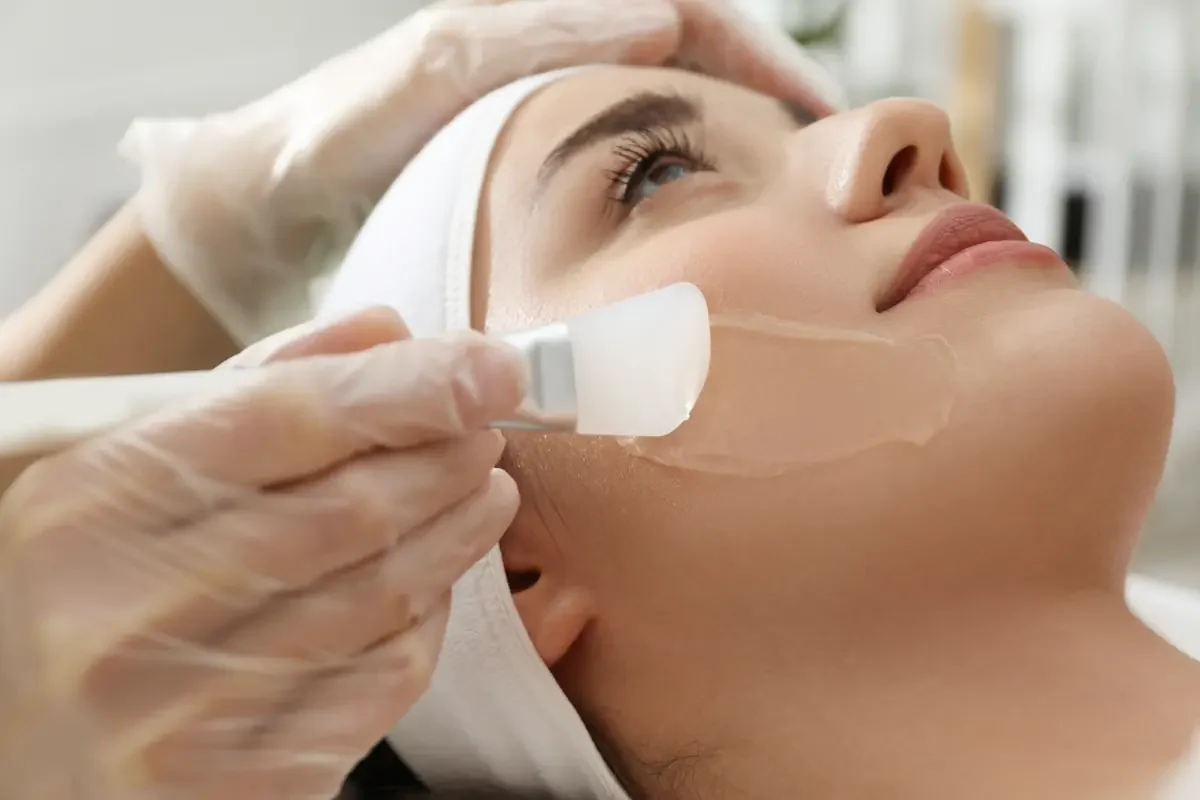
Want smoother, clearer skin without complicated routines? A chemical peel treatment in Rock Hill, SC might be the answer, but it’s important to know what you’re getting into.
While many people love the results, it’s still worth looking at both the chemical peel benefits and chemical peel risks before making a decision. From improving skin tone to helping with acne and fine lines, the results can be noticeable.
At the same time, understanding how your skin may react helps you avoid surprises. The more you know, the easier it is to decide if it’s right for you.
What Does a Chemical Peel Actually Do To Your Skin?
A chemical peel involves the application of a chemical solution to your skin, which causes the outer layers to exfoliate and peel off. The process reveals smoother, fresher skin underneath and can be customized depending on the condition you’re treating and the type of peel you choose.
Exfoliation
The primary action of a chemical peel is to exfoliate the skin, removing dead skin cells, clogged pores, and damaged outer layers. This helps to promote cell turnover and improve overall skin texture.
Targeting Skin Concerns
Chemical peels can address various skin concerns, including:
- Hyperpigmentation: Sunspots, age spots, and melasma
- Acne: Clogged pores and acne scars
- Fine Lines and Wrinkles: Signs of aging around the eyes and mouth
- Uneven Skin Tone: Dullness and rough texture
Boosts Collagen Production
By stimulating the deeper layers of your skin, chemical peels can boost collagen production, leading to firmer, plumper skin over time. According to the American Academy of Dermatology, chemical peels can improve skin texture and tone when performed correctly.
Different types of chemical peels—such as superficial, medium, and deep peels—penetrate different layers of skin and treat various issues more intensely. The type of peel you choose will depend on your skin goals and how much downtime you’re willing to tolerate. You can explore professional options like chemical peel treatments designed for different skin types and concerns.
Are Chemical Peels Safe For All Skin Types?
Chemical peel treatments can be beneficial for most skin types, but not all individuals are suitable candidates. Here’s a breakdown of who should consider and who might need to avoid a peel:
Safe For Many Skin Types
Most people with fair to medium skin tones and general skin concerns like acne, aging, or rough texture can safely use chemical peels, especially the lighter superficial peels.
Sensitive or Darker Skin
Those with sensitive or darker skin tones should proceed with caution. Medium and deep peels can sometimes cause pigmentation changes in darker skin, resulting in hypopigmentation (light spots) or hyperpigmentation (dark spots). Always consult a licensed professional with experience in treating darker skin tones to avoid adverse effects.
Active Skin Conditions
If you have active skin conditions such as eczema, rosacea, or psoriasis, chemical peels may exacerbate your condition. It’s essential to have a consultation with a dermatologist or aesthetician to assess whether a chemical peel is suitable.
Before undergoing any chemical peel treatment, ensure you’re a good candidate by consulting a licensed professional who can tailor the treatment to your skin type and needs. Learn more about working with a qualified expert in the modern esthetician approach.
How Long Does It Take to Recover From a Chemical Peel?
Recovery time depends on the type of peel and the intensity of the treatment. Here’s what to expect:
Superficial Peels
These are the least intense and involve little to no downtime. After treatment, you might experience some redness and peeling that can last a few days, but most people can return to their daily routine almost immediately.
Medium Peels
For medium chemical peels, you can expect about 5–7 days of recovery. Your skin may be red, swollen, and peeling as the outer layers slough off. The deeper peel will leave your skin more sensitive for a longer period, but you’ll see more noticeable improvements in texture and tone.
Deep Peels
Deep peels (typically done for more serious skin concerns like deep wrinkles or severe acne scars) require the most recovery time. You might experience 2–3 weeks of redness, peeling, and swelling before your skin fully heals.
The recovery period varies based on the intensity of the chemical peel. Your aesthetician will give you specific instructions on how to care for your skin during the recovery process. You can also review helpful aftercare practices like avoiding direct sun exposure to protect your results.
Do Chemical Peels Help With Acne Scars and Wrinkles?
Yes, chemical peels can significantly improve both acne scars and wrinkles, but the results vary depending on the depth of the peel and the severity of the issues.
Acne Scars
Superficial peels help with mild acne scars and active acne by exfoliating the skin and unclogging pores. Deeper peels can treat more severe scars, stimulating collagen production and promoting skin renewal to smooth out the texture and appearance of scars. Treatments like acne detox therapy can also complement peel results.
Wrinkles
Chemical peels are effective at reducing fine lines and wrinkles, particularly those around the eyes, mouth, and forehead. By removing dead skin and stimulating collagen growth, chemical peels can help reduce the appearance of fine lines and promote smoother, more youthful skin.
For both acne scars and wrinkles, multiple sessions may be necessary for optimal results, especially if you’re dealing with deeper skin concerns.
How Many Sessions are Needed For Visible Results?
The number of chemical peel treatments required to see visible results depends on the type of peel and your skin concerns:
Superficial Peels
You may see subtle improvements after one session, but for lasting results, multiple treatments (typically 3–6 sessions) spaced 3–4 weeks apart might be recommended.
Medium and Deep Peels
More significant issues, like deep wrinkles or severe acne scars, might require one or two treatments. However, a professional will tailor the treatment schedule based on your skin’s response to each session.
It’s important to note that visible results from a chemical peel treatment continue to improve over time as your skin regenerates and repairs itself.
What are the Risks of Chemical Peels?
While chemical peel treatments are generally safe, there are some risks involved, especially with deeper peels:
- Skin Irritation: Redness, swelling, and irritation are common side effects after a peel
- Hyperpigmentation or Hypopigmentation: Especially for darker skin tones
- Scarring: Rare but possible if not properly performed
- Infection: Possible without proper aftercare
The risks are minimal when performed by a trained professional, and they can be minimized by following post-treatment care instructions.
Is There Downtime After a Chemical Peel?
The amount of downtime required depends on the depth of the chemical peel:
Superficial Peels
These peels generally involve minimal downtime, with just a few days of redness and flaking. Most people can return to their normal routine immediately after the treatment.
Medium Peels
Recovery time for medium peels is about 5–7 days. You’ll experience peeling and redness as your skin heals, but this can be managed with proper skincare.
Deep Peels
For deep peels, expect 2–3 weeks of downtime, as your skin will need time to recover from the intense exfoliation.
Following the recommended post-treatment care can help minimize downtime and speed up the healing process.
Conclusion: Should You Try a Chemical Peel?
If you’re considering a skin refresh, a chemical peel treatment in Rock Hill, SC can offer real results when done correctly.
Many people see improvements in tone, texture, and overall skin clarity. Still, it’s important to weigh the chemical peel benefits against the chemical peel risks before deciding.
Knowing what to expect helps you avoid surprises and get better outcomes. With the right treatment and care, chemical peels can be a simple yet effective way to improve your skin and boost your confidence.
Transform Your Skin with the Right Treatment
Achieving smoother, brighter skin doesn’t have to be complicated. A chemical peel treatment can target common concerns like uneven tone, acne scars, and fine lines.
While it’s important to understand chemical peel risks in Rock Hill, SC, many people find the chemical peel benefits well worth it.
The key is choosing the right type of peel for your skin. If you’re ready to improve your skin’s overall look and feel, now is the perfect time to explore a treatment that delivers real, visible results.
At Pure Escape Resort, we offer professional chemical peel treatments tailored to your skin’s unique needs. You can also enhance your results by pairing treatments with a custom facial service for a more complete skincare approach.