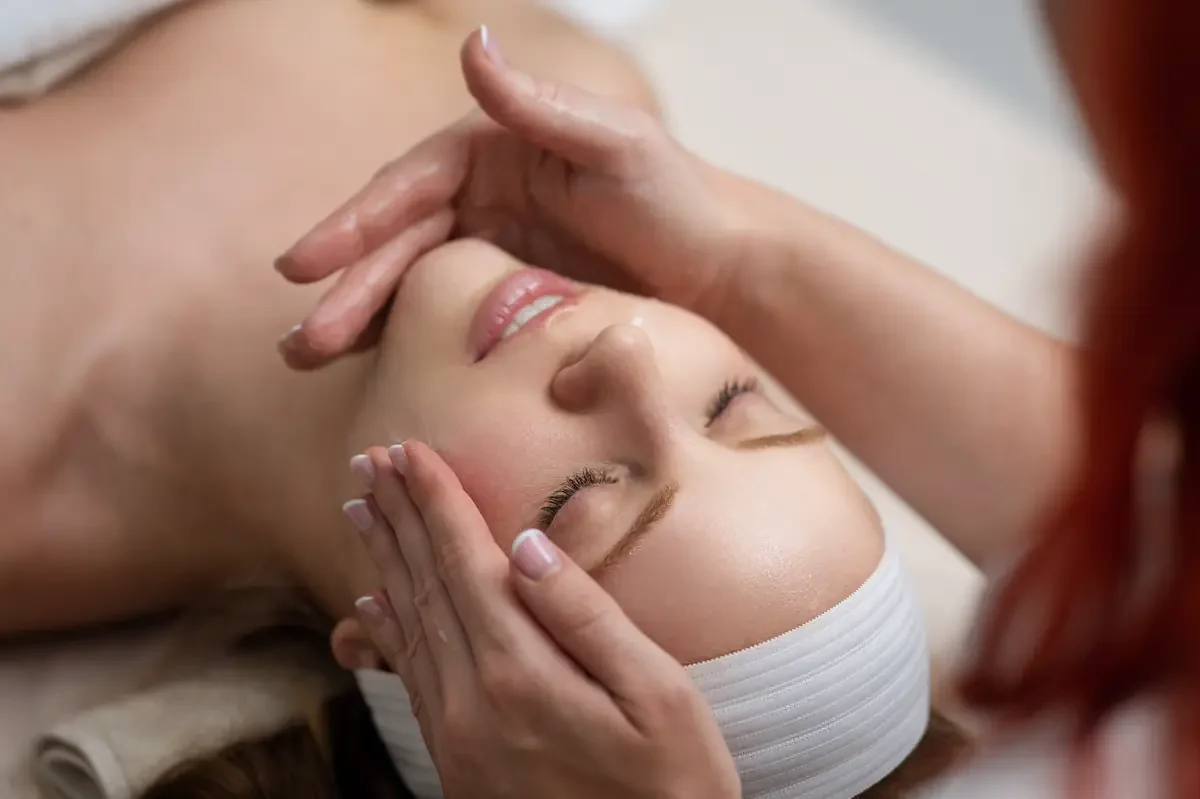
Dermaplaning and microdermabrasion both exfoliate the skin, but they use different tools and address different concerns. Dermaplaning removes dead surface cells and fine facial hair, while microdermabrasion focuses on exfoliating the outermost skin layer to improve surface texture. Neither treatment is appropriate for everyone.
When comparing dermaplaning vs microdermabrasion, the right choice depends on your skin’s condition, sensitivity, current skincare products, and treatment goals. A professional skin assessment helps determine which method may be suitable and whether it should be combined with another facial treatment.
How the Two Exfoliation Methods Differ
Both dermaplaning and microdermabrasion are forms of mechanical exfoliation. They remove material from the skin’s outer surface rather than relying primarily on chemical exfoliating ingredients.
However, their tools and treatment methods are different.
How Dermaplaning Works
Dermaplaning involves carefully moving a specialized sterile blade across the skin at a controlled angle.
The process removes superficial dead skin cells and fine vellus hair, commonly called peach fuzz.
This can leave the skin feeling smoother and create a more even surface for makeup application.
Dermaplaning may appeal to people who want to address both surface buildup and visible fine facial hair.
However, the treatment does not permanently remove hair or stop future growth.
It also does not correct deeper wrinkles, significant acne scarring, or underlying medical skin conditions.
How Microdermabrasion Works
Microdermabrasion uses a specialized device to exfoliate the outermost layer of skin.
Depending on the equipment, treatment may involve a diamond-tipped applicator or fine abrasive crystals, often combined with suction.
The goal is to remove superficial buildup and improve the appearance of the skin’s surface.
Microdermabrasion may help with mild uneven texture, dullness, and certain superficial pigmentation concerns.
Unlike dermaplaning, it does not intentionally remove facial hair.
The treatment settings and intensity should be selected according to the client’s skin condition and tolerance.
Comparing the Treatments
| Feature | Dermaplaning | Microdermabrasion |
|---|---|---|
| Primary method | Specialized blade | Mechanical exfoliation device |
| Main purpose | Surface exfoliation and fine hair removal | Surface exfoliation |
| Removes peach fuzz | Yes | Not its intended purpose |
| Texture concerns | Mild surface roughness | Mild surface unevenness |
| Treatment intensity | Depends on technique | Depends on device settings |
| Suitability | Requires skin assessment | Requires skin assessment |
Both methods can cause temporary irritation, and neither should be selected solely because it is described as gentle.
Comparing Texture and Facial-Hair Goals
Your main skincare concern is often the most useful starting point when choosing between exfoliation options.
Although both treatments can make the skin feel smoother, their additional benefits are different.
When Peach Fuzz Is Your Main Concern
Dermaplaning may be worth considering when you want to remove fine facial hair while receiving surface exfoliation.
Vellus hair is the soft, fine hair commonly found on the cheeks, forehead, and other facial areas.
Removing it can create a smoother surface for makeup application.
However, dermaplaning does not permanently change the hair follicle.
Cleveland Clinic explains that removing peach fuzz through dermaplaning does not cause the hair to grow back thicker or darker.
The hair eventually returns through its normal growth cycle.
When Uneven Texture Is Your Priority
Microdermabrasion may be considered when your main concern is mild surface roughness or dull-looking skin.
The American Academy of Dermatology explains that microdermabrasion removes the top layer of skin and may improve its appearance.
However, results vary.
Some clients may notice temporary improvement after one appointment, while others may require several treatments to achieve their goals.
Microdermabrasion is not an appropriate solution for every type of pigmentation, scarring, or textural change.
Deeper concerns may require evaluation by a dermatologist.
Can Both Improve the Appearance of Dull Skin?
Yes. Both techniques can remove superficial dead skin cells that contribute to a rough or dull appearance.
However, brighter-looking skin does not necessarily mean that the treatments provide identical results.
The most appropriate method depends on what is causing the concern and whether your skin can tolerate exfoliation.
Who May Need a Gentler Option
Not every client is a suitable candidate for mechanical exfoliation.
Sensitive, inflamed, damaged, or medically treated skin may require a different approach.
Active Acne and Inflamed Skin
Dermaplaning may irritate active acne lesions or increase the risk of spreading bacteria through damaged skin.
Cleveland Clinic recommends discussing dermaplaning with a healthcare professional when active acne or certain inflammatory skin conditions are present.
Microdermabrasion may also be unsuitable when the skin is significantly inflamed or irritated.
Clients experiencing active breakouts should avoid assuming exfoliation will improve the problem.
A professional assessment can determine whether treatment should be modified, postponed, or replaced with another option.
Rosacea and Sensitive Skin
Rosacea can make the skin highly reactive to friction, skincare ingredients, and physical treatments.
The American Academy of Dermatology recommends gentle skincare and avoiding exfoliation that aggravates rosacea.
For clients experiencing redness, burning, or persistent sensitivity, neither dermaplaning nor microdermabrasion should automatically be considered safe.
A dermatologist may need to assess the condition before cosmetic exfoliation is considered.
A Compromised Skin Barrier
Skin that feels tight, stings when products are applied, or shows visible irritation may not tolerate additional exfoliation well.
Recent sunburn, rashes, eczema flare-ups, or other active conditions can make treatment inappropriate.
In some cases, a calming or hydrating facial without mechanical exfoliation may be a more suitable choice.
At Pure Escape Resort, Inc., we encourage clients to discuss sensitivity and current skin concerns before selecting a treatment.
The goal is to choose an approach that respects the skin’s present condition rather than automatically recommending stronger exfoliation.
What to Disclose During Your Skin Assessment
A professional skin assessment helps establish whether dermaplaning or microdermabrasion is appropriate.
It also allows the esthetician to identify potential reasons to modify or postpone treatment.
Your Current Skincare Products
Some skincare ingredients can increase dryness, peeling, or sensitivity.
Tell your esthetician if you regularly use products containing:
- Retinol or prescription retinoids
- Alpha hydroxy acids, including glycolic acid
- Salicylic acid or other exfoliating acids
- Benzoyl peroxide
- Strong exfoliating scrubs
- Other active resurfacing ingredients
The American Academy of Dermatology advises considering these products before exfoliation because combining treatments may increase irritation.
Do not stop prescribed medication without consulting the prescribing clinician.
Your provider can explain whether a treatment should be delayed or adjusted.
Recent Treatments and Medical History
Discuss any recent chemical peels, laser procedures, waxing, or other facial treatments.
Also disclose relevant medical conditions, a history of cold sores, unusual scarring, and recent skin irritation.
The American Academy of Dermatology specifically recommends discussing isotretinoin use before microdermabrasion because recent use may increase complication risks.
Clients should provide accurate information even when their skin currently appears normal.
Your Expectations
Explain what you want to improve.
For example, you may be more concerned about facial hair than rough texture, or you may want a simple exfoliating treatment before a special occasion.
Your esthetician can explain which outcomes are realistic.
Neither treatment should be expected to eliminate deep wrinkles, permanently correct pigmentation, or treat an underlying skin disease.
Appointment Choices and Aftercare Expectations
Both treatments are available at Pure Escape Resort, but their published appointment formats differ.
Understanding these options can help you choose the appropriate service.
Dermaplaning Appointments
Our current facial menu lists:
- Dermaplaning Express Mini: $90
- Dermaplaning with a Facial: $45 add-on
The express treatment provides a dedicated dermaplaning option.
The add-on allows dermaplaning to be considered alongside a facial when the combination is suitable.
Although our menu advertises the add-on with facials, the actual treatment pairing should be confirmed following a skin assessment.
Microdermabrasion Appointments
Our published facial menu also includes:
- Microderm Treatment: $145
- Microderm Peel: $195
- Microderm Peel with 4% Retinol: $270
Microdermabrasion is listed as a dedicated treatment rather than a universal add-on to every facial.
Some combinations involve additional exfoliating products.
These may not be suitable for clients with sensitive skin or certain medical conditions.
All pricing and treatment availability should be confirmed when booking.
What Happens After Exfoliation?
Both treatments may cause temporary redness, dryness, tenderness, or sensitivity.
The American Academy of Dermatology notes that microdermabrasion can cause temporary redness and swelling, while Cleveland Clinic identifies irritation and other possible complications following dermaplaning.
Aftercare should follow the instructions provided for your specific treatment.
Common recommendations may include:
- Using a gentle cleanser
- Applying a suitable moisturizer
- Protecting skin with broad-spectrum SPF 30 or higher sunscreen
- Avoiding additional exfoliation until advised
- Limiting products that cause stinging or irritation
- Reporting unexpected or worsening skin reactions
The timing for restarting active skincare ingredients depends on the treatment and your skin’s response.
Do not assume that every client can immediately resume their normal routine.
Selecting a Facial Add-On in Rock Hill
Choosing between dermaplaning and microdermabrasion should begin with a conversation about your skin.
At Pure Escape Resort, Inc., we offer professional facial and skincare services in Rock Hill, SC, including dermaplaning and microdermabrasion treatments.
Our estheticians assess individual skincare concerns and discuss treatment options based on each client’s needs.
How to Narrow Down Your Choice
Consider these questions before booking:
- Is your main concern fine facial hair, uneven texture, or both?
- Does your skin react easily to exfoliating products?
- Are you currently using retinoids or other active skincare ingredients?
- Have you recently received another facial treatment?
- Would you prefer a dedicated exfoliation appointment or a facial with a suitable enhancement?
Your answers can help our team discuss which available service may fit your goals.
Visit Pure Escape Resort in Rock Hill
Our spa is located at 452 Lakeshore Parkway, Suite 130, Rock Hill, SC 29730.
Clients traveling from Fort Mill or Tega Cay can visit our Rock Hill location for their appointments.
Whether you are considering a dermaplaning facial or a microdermabrasion treatment, we recommend discussing your current skincare routine and concerns before finalizing your appointment.
FAQs
What Is the Difference Between Dermaplaning and Microdermabrasion?
Dermaplaning uses a specialized blade to remove superficial dead skin cells and fine facial hair. Microdermabrasion uses a mechanical device to exfoliate the outer skin layer. Both can improve surface smoothness, but only dermaplaning intentionally removes peach fuzz.
Does Dermaplaning Remove Peach Fuzz?
Yes. Dermaplaning removes fine vellus hair from the skin’s surface. The effect is temporary because the hair grows back naturally. The treatment does not permanently reduce facial hair growth or make it grow back thicker.
Can Sensitive Skin Tolerate Microdermabrasion?
Some people with mildly sensitive skin may tolerate carefully selected treatment, but others may experience irritation. Active rosacea, inflammation, or a compromised skin barrier may make exfoliation unsuitable. A professional assessment is important before proceeding.
Can I Combine Dermaplaning With Another Facial?
Sometimes. Pure Escape Resort lists dermaplaning as a facial add-on. However, suitability depends on the other products and treatments involved. Combining several exfoliating methods may increase irritation, so the esthetician should confirm the appropriate pairing.
Which Treatment Has Less Downtime?
Both are generally considered minimally invasive, but recovery varies. Some clients experience little visible irritation, while others develop temporary redness or sensitivity. Neither treatment guarantees zero downtime. Follow the aftercare recommendations provided by your treatment professional.
Is Dermaplaning Better Than Microdermabrasion for Rough Skin?
Neither is universally better. Dermaplaning may appeal to clients who want facial-hair removal alongside exfoliation. Microdermabrasion focuses on surface texture. The best choice depends on the cause of the roughness, skin sensitivity, and individual treatment goals.
Book Your Facial Treatment at Pure Escape Resort
Dermaplaning and microdermabrasion offer different approaches to facial exfoliation. Understanding your skin’s needs is the first step toward choosing an appropriate treatment.
At Pure Escape Resort, Inc., we offer both services at our Rock Hill location, along with personalized facial options.
Our team can discuss your skincare concerns, review available treatments, and help you determine whether dermaplaning, microdermabrasion, or another facial service may be suitable.
Call Pure Escape Resort at (803) 327-2520 or book your appointment online to discuss your skincare goals and confirm current treatment options.