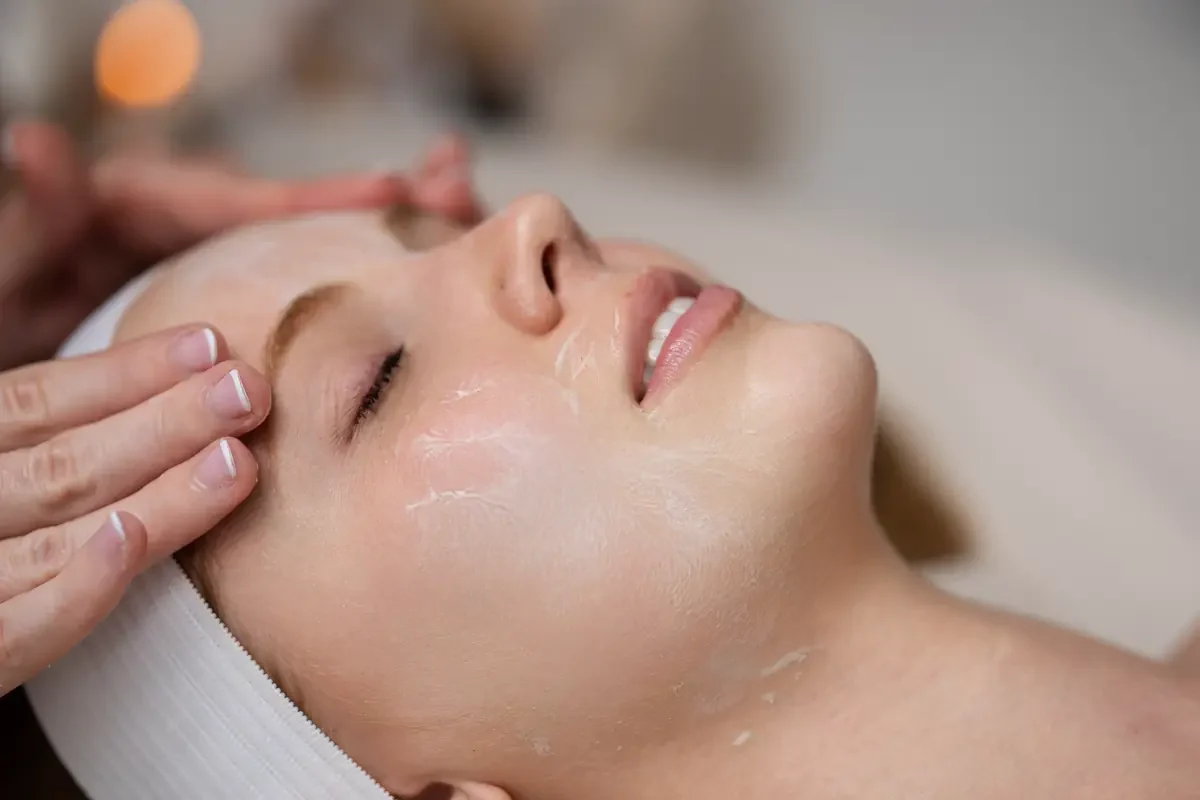
A successful med spa consultation starts with clear goals, accurate health information, and realistic treatment expectations. Bring your medication list, allergy information, previous procedure details, and photographs that help explain the changes you want.
Your appointment should focus on safety, appearance, and costs. The provider should assess your skin, review risks, explain alternatives, and identify who will perform the procedure.
Preparing questions in advance helps you compare recommendations without feeling pressured. It also makes it easier to decide whether treatment should happen that day or at a later visit safely.
What Should I Bring to a Med Spa Consultation?
Bring a complete list of prescription medicines, over-the-counter products, vitamins, and herbal supplements, including dosages. This helps the provider identify interactions, bleeding risks, healing concerns, or reasons to postpone treatment.
List allergies, medical conditions, previous surgeries, pregnancy or breastfeeding status, and any history of cold sores, abnormal scarring, fainting, or treatment reactions. Cosmetic consultation guidance recommends discussing medications, supplements, medical conditions, allergies, prior treatments, and personal goals.
Organize Your Treatment History
List previous injections, laser treatments, peels, microneedling, surgery, and permanent implants. Include product names, treatment dates, areas treated, and complications when known.
Bring photographs that show the concern or a previous result you liked. Use them to explain priorities, not demand another person’s features or outcome.
Carry identification, payment information, and completed forms requested by the facility. Arrive with clean skin if instructed, but follow the med spa’s specific preparation guidance because requirements differ by procedure. Reviewing guidance on what not to do before a facial may also help you prepare for certain skincare appointments.
How Do I Choose the Right Med Spa?
Choose a med spa by examining medical oversight, credentials, experience, infection control, and complication planning. A polished office or discount does not establish clinical quality.
Confirm who medically supervises the facility and who will evaluate and treat you. Ask about licenses, specialized training, and experience with the proposed procedure, device, and body area. Learning more about the facility and its approach can help you understand its standards before scheduling.
Look Beyond Online Reviews
Reviews may describe service, but they cannot verify medical competence. Check licensing through the appropriate state board and ask whether the facility follows state rules.
Observe cleanliness, hand hygiene, single-use supplies, sharps containers, and safe injection practices. Medical procedures require healthcare-level infection prevention.
A dependable med spa in Rock Hill, SC should explain emergency and complication procedures, provide follow-up instructions, and offer reliable access to a qualified clinician after treatment. Reviewing the facility’s spa services can also help you determine whether its offerings align with your needs.
What Questions Should I Ask During a Consultation?
Ask what causes your concern and which treatments could address it. A responsible consultation should include alternatives, including no treatment.
Confirm the name of the treatment, device, injectable product, or medication. Ask whether it is authorized or cleared for the proposed use and whether the recommendation involves an off-label application.
Ask About Results and Risks
Request realistic expectations for improvement, timing, duration, and the likely number of appointments.
Ask about common side effects, rare complications, downtime, aftercare, and warning signs that require urgent attention. Find out who manages a complication and whether appropriate medications, equipment, and referral arrangements are available.
Discuss the full price, including fees, products, follow-ups, maintenance, and possible correction. Avoid deciding based only on a promotion.
Professional consultation checklists also recommend asking about provider training, candidacy, recovery, risks, complication management, reasonable results, and before-and-after photographs.
Should I Avoid Certain Medications Before My Appointment?
Do not stop prescription medication without guidance from the clinician who prescribed it. Some medicines and supplements may increase bruising, bleeding, sensitivity, or other treatment risks, but stopping them can be more dangerous than continuing them.
Tell the provider about aspirin, anticoagulants, anti-inflammatory drugs, acne medicines, antibiotics, immune-suppressing drugs, and supplements such as vitamin E, fish oil, ginkgo, garlic, or St. John’s wort.
Request Procedure-Specific Instructions
Preparation differs for injectables, lasers, peels, body treatments, and microneedling. A general checklist cannot account for your health or planned service.
The med spa may advise avoiding alcohol, tanning, waxing, irritating skin products, or certain supplements before a procedure. These recommendations should include a clear timeframe and medical reasoning.
Report active rashes, infections, cold sores, sunburn, dental work, recent vaccination, illness, or pregnancy before treatment. The safest option may be rescheduling until the area and overall health are suitable.
How Long Does a Med Spa Consultation Take?
A consultation commonly takes 30 to 60 minutes. Timing depends on the concern, medical history, examination, photography, treatments discussed, and whether a procedure is planned.
A thorough first visit should not feel rushed. The provider needs enough time to understand your goals and determine whether the requested service is medically appropriate.
Allow Time for Documentation
You may complete consent, privacy, and health-history forms before meeting the provider. Clinical photographs or measurements may also be taken with permission to document the starting point.
Complex concerns may require another consultation, outside records, medical clearance, allergy testing, or a staged treatment plan.
Ask about appointment length when scheduling, especially if you must return to work. Consultation time is separate from numbing, preparation, treatment, recovery observation, and checkout.
Can I Get Treatment on the Same Day as My Consultation?
Same-day treatment may be possible for suitable patients, but it should never feel obligatory.
The provider must first review your health history, examine the area, discuss alternatives and risks, answer questions, and obtain informed consent. Treatment may need to wait if you have an infection, recent sun exposure, medication concern, upcoming event, or uncertain diagnosis.
Give Yourself Permission to Wait
Even when same-day care is possible, you can schedule later. Time to consider the recommendation is valuable for expensive, invasive, permanent, or unfamiliar procedures.
Waiting can also help you follow preparation instructions and plan for bruising, swelling, sun avoidance, transportation, or downtime.
Do not accept treatment when you feel pressured by expiring discounts or prepaid packages. Consent should reflect a clear understanding of benefits, limitations, risks, costs, and alternatives.
What Should I Expect During My First Med Spa Visit?
Your first med spa visit usually begins with registration and a health questionnaire covering goals, conditions, allergies, medications, pregnancy, previous treatments, and factors that influence healing.
A qualified provider should then examine the treatment area. The assessment may include skin type, texture, pigmentation, muscle movement, volume, fat distribution, scars, symmetry, and photographs.
Clients considering skincare services may also benefit from reviewing what to expect during a first-time facial treatment.
Building the Treatment Plan
The provider should explain what may be causing the concern and recommend an appropriate service or sequence of services. Good planning considers safety, budget, recovery time, maintenance, and the possibility that treatment may not be recommended.
You should receive information about preparation, expected results, side effects, complications, and aftercare. Written instructions are useful because appointment details can be difficult to remember.
Before leaving, confirm the next step, price, follow-up schedule, and contact process for questions. Seek urgent medical care for severe or unexpected symptoms rather than waiting for a routine follow-up.
Ask whether photographs and medical records are stored securely, who can access them, and how long they are retained. You should also understand cancellation rules, deposits, refund policies, and package expiration dates before paying. Clear administrative policies matter because treatment plans can change after examination or medical review. Reviewing the facility’s privacy policy may help you understand how personal information is handled.
Key Takeaways
Prepare for a med spa consultation by bringing your medication list, allergies, medical history, previous treatment details, and clear cosmetic goals. Choose a facility by checking medical oversight, provider credentials, infection control, product authenticity, and complication procedures.
Ask about alternatives, expected results, risks, downtime, total cost, and follow-up care. Never stop prescribed medication without guidance. Same-day treatment may be possible, but waiting is always acceptable.
A thorough first visit should include an examination, informed consent, realistic planning, written instructions, and enough time for every important question before you finally decide.
Begin With a Plan That Fits You
Pure Escape Resort offers consultations designed to help clients understand treatment choices, preparation needs, realistic outcomes, and ongoing care. The goal is to match each recommendation with the client’s health history, concerns, comfort level, and schedule.
Book an appointment to arrange a consultation and discuss which options may suit your goals.