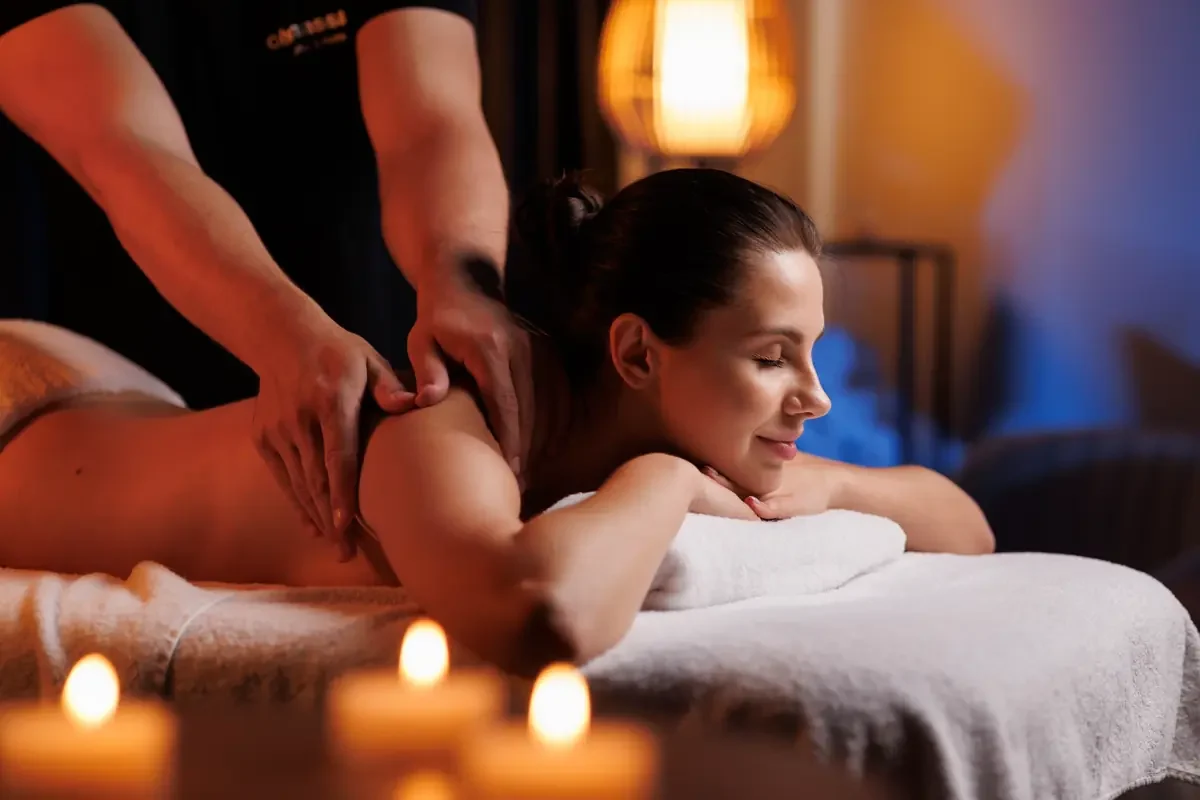
In a world that hums, buzzes, and pings nonstop, silence has become something of a luxury. We chase relaxation through playlists, guided meditations, and soft-spoken affirmations—but what if the ultimate form of calm comes not from sound, but from its absence? Enter the sound-free massage session, a growing wellness trend that’s redefining how we think about tranquility.
This isn’t your typical spa playlist of ocean waves and flute melodies. This is the art of doing nothing—no music, no talking, no noise. Just the rhythmic sound of breathing, the gentle glide of hands on skin, and the quiet presence of stillness. For many, that’s where real healing begins.
What Is a Sound-Free Massage Session?
A sound-free massage session is exactly what it sounds like—pun intended. It’s a therapeutic experience where the usual background music, ambient sounds, and conversation are intentionally removed.
In a traditional spa setting, you might hear instrumental music playing softly in the background. Sometimes there’s small talk with the therapist or guided breathing cues. In a sound-free session, the focus shifts entirely to silence. The massage therapist may give instructions before the session starts, then step into a quiet mode once it begins. This approach is gaining traction as more people realize when silence heals, the body can finally enter a state of true recovery.
Here’s what typically defines a sound-free massage:
- No music: The spa room is free from background soundtracks or ambient playlists.
- Minimal communication: Aside from initial guidance, both the therapist and client remain silent during the session.
- Heightened sensory focus: The absence of sound sharpens your awareness of touch, temperature, and body sensations.
- Deep mental stillness: Silence helps the mind slow down, allowing relaxation to deepen naturally.
It may sound (ironically) intense at first, but once the initial awkwardness fades, the quiet becomes strangely comforting—like rediscovering how to breathe again.
How Does Silence Enhance the Massage Experience?
Silence doesn’t just calm the room; it transforms the entire massage experience. Without the usual layers of sound, clients often find themselves dropping into a deeper state of mindfulness. Every sensation—like pressure, warmth, and breath—feels amplified.
Think about it: your body already knows how to relax. The problem is your mind. It’s constantly being fed stimulation—music, chatter, digital noise, and the endless stream of internal dialogue. Silence works as a reset button for that. Much like a session at a professional massage service, a silent approach is designed to meet both physical and mental recovery needs.
1. You Become More Aware of Your Body
Without sound guiding your mood or attention, you naturally tune into the physical sensations. You notice how your muscles release under pressure, how your breathing shifts, and how your heartbeat steadies. That awareness is grounding—it keeps you fully present.
2. It Encourages Deeper Mental Stillness
Music can influence emotion, but silence allows space for neutrality. It creates a blank slate for your mind. In that blankness, thoughts slow down, and inner chatter softens. For many, it’s the closest thing to meditating without trying.
3. Therapists Can Sync with Natural Cues
Massage therapists often report that silence helps them connect more intuitively with clients. Without external noise, they can pick up on subtler signals—the client’s breathing rhythm, muscle tension, or even micro-movements that indicate discomfort.
4. It Feels More Personal
A silent session removes distractions and makes the experience feel deeply intimate. You’re not just listening to relaxation music; you’re listening to yourself. It’s the kind of quiet that fills the room, not empties it.
Why Are Spas Offering Sound-Free Massage Options
At first, the idea of a completely silent massage might seem unconventional—after all, spa music has been a staple for decades. But as wellness trends evolve, so do client expectations. People aren’t just seeking pampering anymore; they’re seeking presence. According to the American Psychological Association on stress and the body, chronic stress affects all body systems, and finding ways to quiet the mind is essential for mitigating these physical impacts.
Here’s why more spas are adding sound-free options to their menus:
It Complements Other Holistic Practices: Silence pairs well with aromatherapy, Reiki, and breathwork..
Rising Demand for Mindfulness-Based Therapies: Meditation and digital detox trends are shaping modern wellness.
Overstimulation Fatigue Is Real: Constant noise makes silence feel like a reset.
It Appeals to Introverts and Overthinkers: Not everyone wants conversation during relaxation.
It’s a Differentiation Strategy: Unique experiences stand out in a crowded spa market.