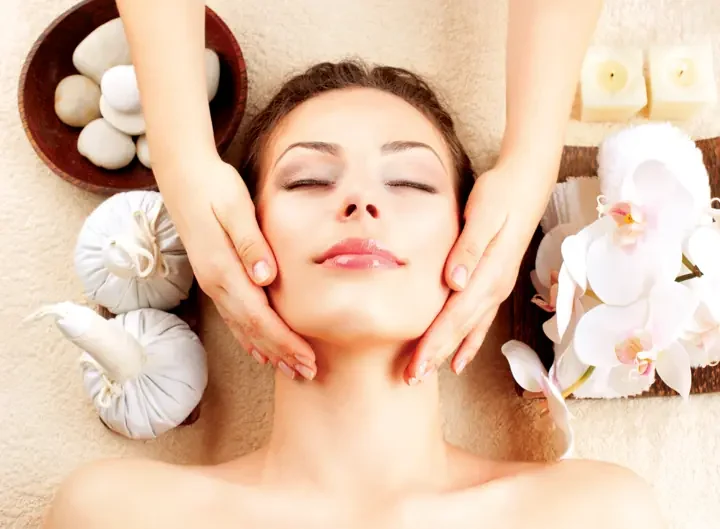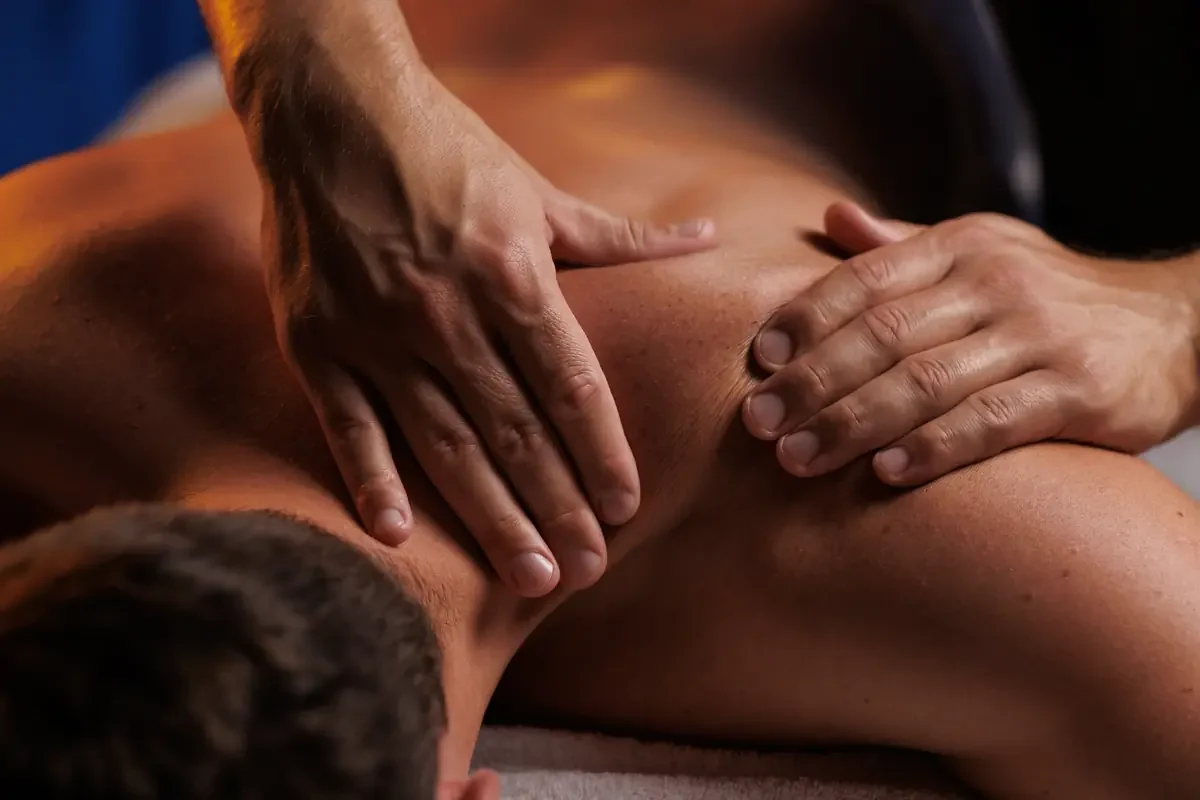
Regular massage therapy benefits your body by easing muscle tension, supporting circulation, reducing stress, and improving physical comfort. Consistent sessions can promote better mobility, recovery, and overall wellness when paired with healthy daily habits.
Many people view massage as relaxation only, but its value goes deeper. Skilled therapeutic touch can calm the nervous system, loosen tight tissue, and help the body recover from strain. For active lifestyles, demanding jobs, or ongoing discomfort, routine massage can become practical self-care. Results often build gradually over time through consistency, communication, and professional technique.
For those exploring professional massage services, regular treatment can become an important part of a long-term wellness routine.
How Does Massage Therapy Improve Overall Health?
Massage therapy supports overall health by helping the body relax, move more comfortably, and recover from physical stress.
It Supports The Nervous System
Stress often keeps the body in a tense state. Massage helps encourage relaxation by calming the nervous system and reducing physical signs of tension.
When the body relaxes, breathing may slow, muscles may soften, and overall comfort can improve.
It Helps Reduce Muscle Tension
Daily posture, repetitive movement, and physical activity can create tightness in the neck, shoulders, back, hips, and legs.
Massage works through soft tissue to help release restricted areas and improve ease of movement.
It Encourages Body Awareness
Many people do not notice tension until it becomes painful. Regular massage can help clients recognize patterns of tightness earlier.
This awareness can support better posture, movement habits, recovery planning, and self-care decisions between regular sessions.
It Complements A Healthy Lifestyle
Massage does not replace medical care, exercise, hydration, or proper rest. However, it can support wellness by helping the body recover and function more comfortably.
These are some of the most practical Massage Therapy Benefits for long-term body care. Many individuals seeking wellness support also explore additional spa services that complement their self-care routine.
Can Massage Help Reduce Stress And Anxiety?
Massage can help reduce stress and promote relaxation for many people.
Physical Relaxation Affects Mental Calm
Stress is not only emotional. It often appears physically as tight shoulders, jaw tension, headaches, shallow breathing, or back discomfort.
Massage addresses these physical patterns, which may help the mind feel calmer.
A Quiet Setting Supports Recovery
A professional massage session gives the body time away from constant demands.
This pause can help reduce sensory overload and create space for rest.
Consistency Matters
One massage may provide temporary relief. Regular sessions may help the body respond more easily to relaxation over time.
For individuals with high-stress routines, scheduled massage can become a helpful reset. Research into the relationship between relaxation and cognitive wellness continues to gain attention, as discussed in Massage and Memory: The Hidden Connection Between Relaxation and Recall.
Communication Improves Comfort
Clients should always communicate pressure preferences, sensitive areas, and comfort concerns.
A professional therapist adjusts the session to support relaxation without causing unnecessary discomfort.
Massage is not a cure for anxiety disorders, but it may be a useful wellness practice for stress management.
Does Regular Massage Improve Circulation?
Massage may support healthy circulation by encouraging movement of blood and fluids through soft tissue.
Gentle Pressure Encourages Flow
Massage techniques apply controlled pressure to muscles and surrounding tissue.
This pressure can help stimulate local circulation and create a feeling of warmth and looseness in treated areas.
Better Circulation Supports Recovery
Circulation helps deliver oxygen and nutrients while supporting removal of metabolic waste.
For tight or overworked muscles, improved local flow may contribute to easier movement and comfort.
Movement And Hydration Still Matter
Massage works best alongside healthy habits. Regular movement, stretching, and hydration all support circulation.
A massage therapist may recommend simple post-session care to help maintain results.
Some Conditions Require Caution
People with circulatory disorders, blood clots, certain heart conditions, or recent surgeries should consult a healthcare provider before massage.
Professional therapists also complete intake forms to identify possible concerns before treatment.
How Often Should You Get A Massage For Best Results?
The ideal massage schedule depends on your goals, lifestyle, activity level, and body condition.
For General Wellness
Many clients benefit from massage every four to six weeks.
This schedule can help maintain relaxation, manage routine tension, and support overall comfort.
For High Stress Or Physical Demands
People with demanding jobs, athletic training schedules, or frequent muscle tightness may benefit from sessions every two to four weeks.
More frequent care can help address tension before it becomes harder to manage.
For Specific Discomfort
Clients dealing with ongoing tightness or chronic discomfort may need a more structured plan.
A therapist may recommend shorter intervals at first, then adjust frequency as symptoms improve.
Your Body Provides Feedback
The best schedule should reflect how your body responds. If tension returns quickly, more frequent sessions may help.
If results last several weeks, maintenance appointments may be enough.
A consistent schedule is one of the key Benefits of Regular Massage because results often improve when care is ongoing. Those interested in making massage a regular part of their wellness routine may find helpful insights in Looking for the Best Massage Near Rock Hill SC?.
Can Massage Therapy Relieve Chronic Pain?
Massage therapy may help reduce certain types of chronic pain, especially when discomfort involves muscle tension, soft tissue restriction, or stress-related tightness.
Understanding Pain Sources
Chronic pain can have many causes. Some are muscular, while others involve joints, nerves, inflammation, injury, or medical conditions.
A massage therapist should ask questions to understand your concerns before beginning treatment.
Soft Tissue Work May Help
When muscles remain tight for long periods, they can restrict movement and increase discomfort.
Massage may help release tension, improve mobility, and reduce the feeling of stiffness.
Pain Relief Should Be Safe
Massage should not create sharp, severe, or lasting pain.
Therapeutic pressure can feel intense at times, but it should remain within a safe and manageable range.
Collaboration Can Be Helpful
For chronic pain, massage may work best as part of a broader care plan.
Clients may also benefit from medical evaluation, physical therapy, stretching, strength training, or lifestyle adjustments depending on the condition.
Massage is not a guaranteed solution, but it can be a valuable support tool for many people managing ongoing discomfort.
Does Massage Help With Muscle Recovery?
Massage can support muscle recovery after exercise, physical labor, or repetitive strain.
It Reduces Post-Activity Tightness
After intense activity, muscles may feel tight, heavy, or sore.
Massage can help reduce tension and improve comfort during the recovery process.
It Supports Mobility
Restricted muscles can limit range of motion and make movement feel stiff.
Massage may help improve flexibility by addressing tight soft tissue and encouraging relaxation.
It Helps Active People Stay Consistent
Athletes, fitness enthusiasts, and physically active workers often use massage to manage wear and tear.
Regular sessions may help maintain comfort and support better movement patterns. Specialized options such as prenatal massage can also help support specific recovery and wellness goals.
Recovery Requires More Than Massage
Massage is most effective when combined with rest, hydration, balanced nutrition, stretching, and appropriate training habits.
A therapist can help identify common areas of tension and suggest basic self-care between appointments.
Professional Guidance Matters
A skilled therapist understands how to adjust pressure and technique based on soreness, activity level, and recovery goals.
Clients looking for Massage Therapy Rock Hill, SC should choose providers who focus on safety, communication, and individualized bodywork. Understanding different modalities can also help, as explained in Deep Tissue vs Swedish Massage: Which One Is Right for You?.
Final Thoughts
Regular massage therapy can support the body by reducing muscle tension, promoting relaxation, encouraging circulation, improving mobility, and assisting recovery. The best results often come from consistent sessions tailored to personal goals, whether those goals include stress relief, pain management, athletic recovery, or general wellness. Massage works best when combined with healthy habits such as movement, hydration, rest, and proper self-care. Choosing a qualified therapist and communicating clearly helps ensure each session supports comfort, safety, and long-term body wellness with professional care.
Support Your Body With Professional Care
At Pure Escape Resort, we believe massage should be thoughtful, professional, and centered on each guest’s needs. We take time to understand your comfort level, goals, and areas of concern so every session feels purposeful and supportive. Whether you want to ease tension, recover from physical stress, or make massage part of your regular wellness routine, we are here to provide a calm environment, skilled care, and a personalized experience designed to help your body feel restored and supported.
Ready to begin? You can easily book an appointment and start experiencing the benefits of professional massage care.